Bio-Well and Colon Tumours: What a Pilot Study Can Tell Us
A pilot study explored whether fingertip imaging data could distinguish people with colon tumours from healthy controls. Here’s what was reported, why it matters, and why it does not establish a cancer diagnostic test.
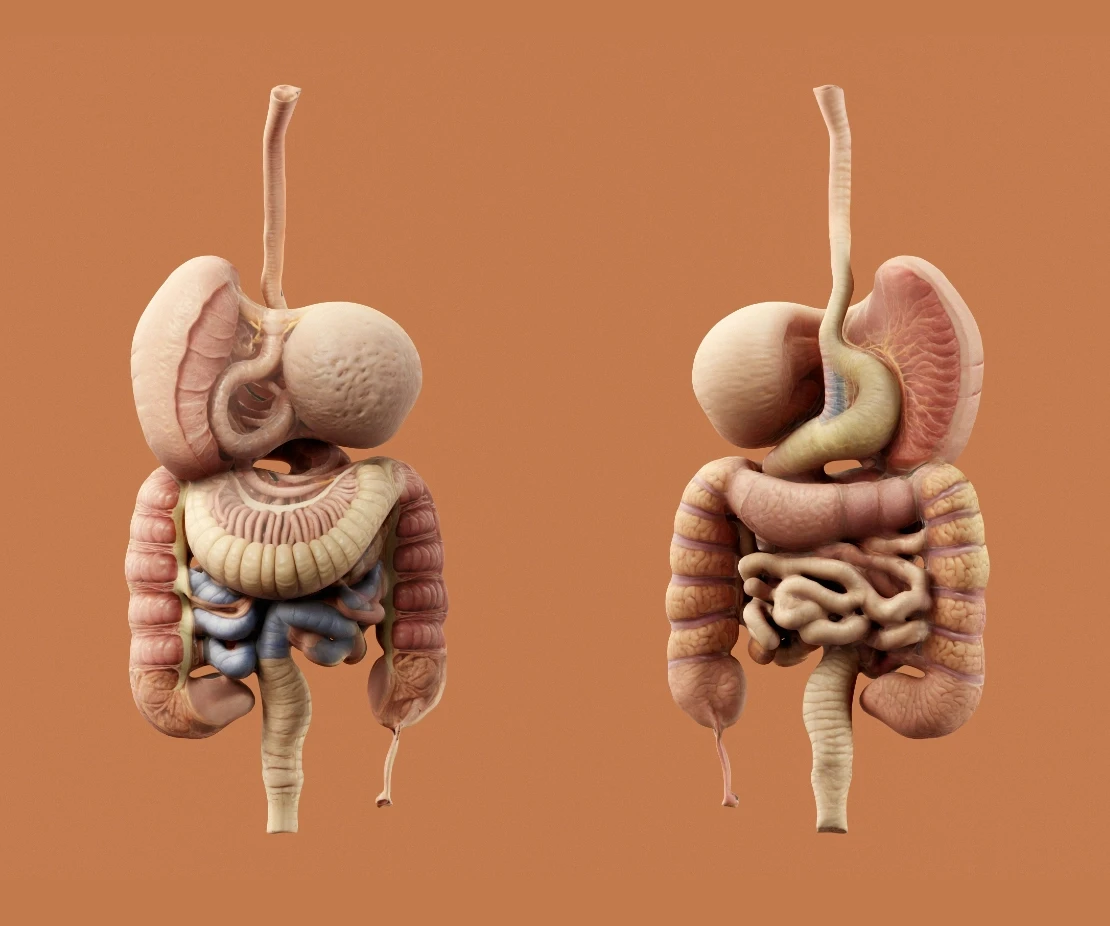
Can a short fingertip scan provide information relevant to colon tumours? A research paper discussed by Bio-Well explored that question using electrophotonic imaging (EPI), also known as gas discharge visualisation (GDV). The findings are exploratory: they concern a potential approach to screening research, not proof that Bio-Well can diagnose or rule out cancer.
What the researchers investigated
Bio-Well’s article describes a 2016 paper in The Open Biomedical Engineering Journal by Yakovleva and colleagues. The team investigated whether EPI measurements could distinguish patients with colon tumours from healthy controls.
The researchers treated this as a classification task: collect measurements from two groups, select informative parameters, and test whether those parameters could separate the groups. The authors described the work as developing a methodological approach.
What the source reports
According to Bio-Well’s summary, selected EPI parameters could distinguish tumour patients from healthy controls within the study. The summary also reports classification relating to tumour morphology, size, and single versus multiple tumours.
The source frames this as proof-of-concept research into a possible first step in a screening pathway. It describes testing as non-invasive and taking less than five minutes. Convenience, however, does not establish diagnostic accuracy.
Why the limitations matter
This was pilot research, not evidence that the technology is ready for routine cancer screening. Separating groups within a study is different from reliably identifying disease in new patients. Larger prospective validation studies and independent replication are needed.
A screening tool needs reliable sensitivity (how many affected people it detects) and specificity (how well it avoids false alarms). The source does not establish validated performance for routine screening. A scan cannot be treated as reassurance that no tumour is present.
The source notes that Konstantin Korotkov, the inventor of GDV technology, was a co-author. This does not by itself invalidate the findings, but independent replication is particularly important.
It does not replace colonoscopy
Even in the proposed future role, EPI is framed as a possible preliminary step, not a replacement for colonoscopy. A Bio-Well result should not be used to diagnose or rule out cancer, or to delay recommended medical assessment or established screening.
The takeaway
The study raises an interesting research question about whether EPI data contains information associated with colon tumour status. It does not settle whether Bio-Well is a safe, effective screening tool in clinical practice. A pilot finding is a starting point for further testing, not a diagnosis.
Sources and further reading
This is an original summary of Bio-Well’s account, not an independent review of the underlying study data. It is for general information and is not medical advice.


" transform="translate(1 1)" width="14px"/></svg>)