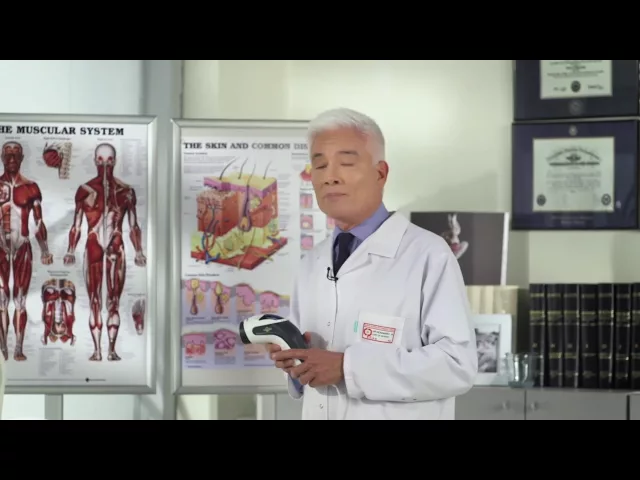
Sports Injury Recovery Melbourne | Hyperlight Therapy QHI
Injured and desperate to get back to training? Hyperlight Therapy is a non-invasive way to support faster recovery. Book a session in Melbourne today.
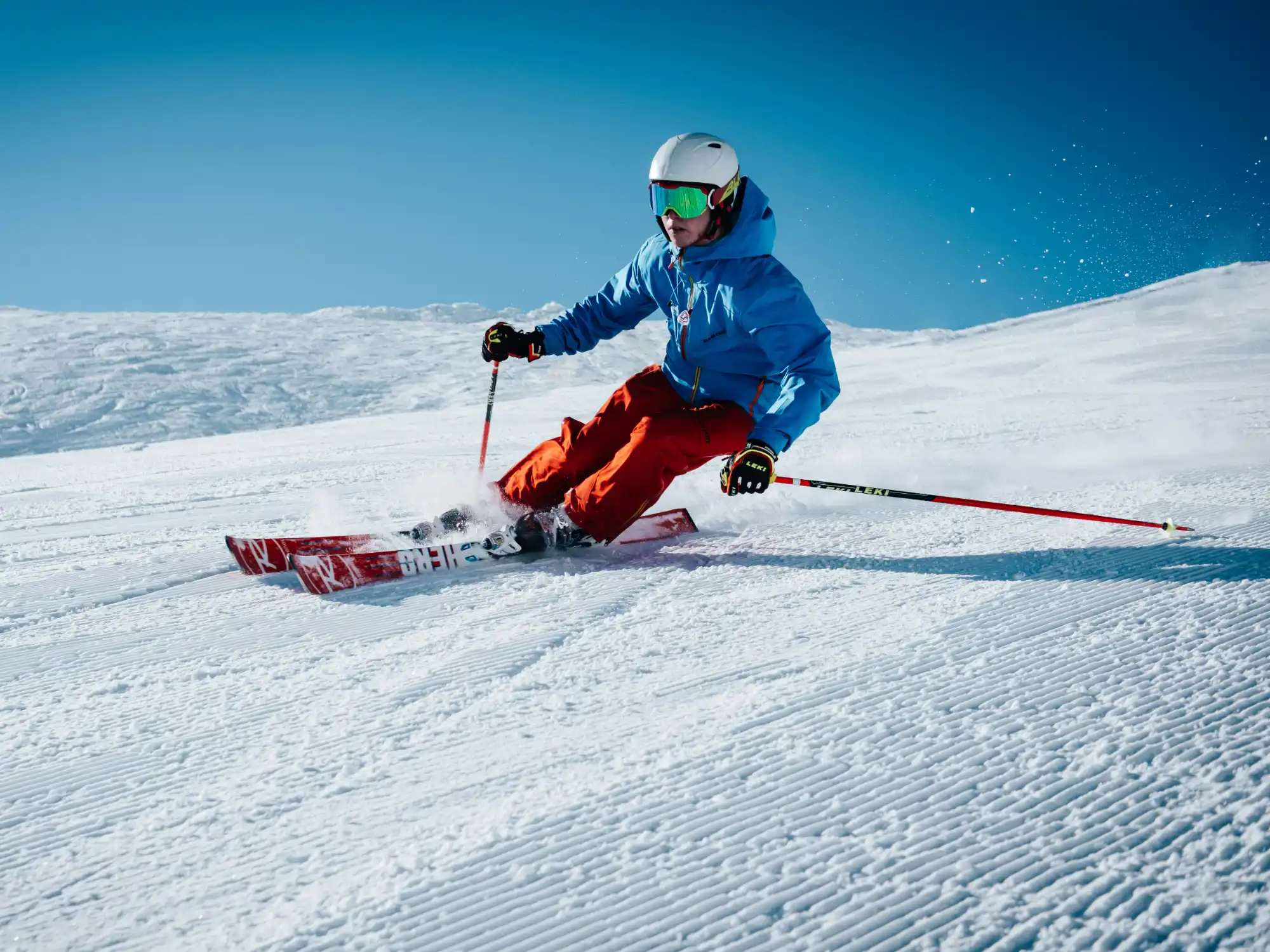
Sidelined by an Injury? How Melbourne Athletes Are Using Light Therapy to Get Back in the Game Faster
There's a particular kind of frustration that comes with being injured. It's not just the pain, it's watching your fitness slide, missing the season you trained all year for, or sitting out the weekend game while everyone else plays on without you.
Rest, ice, and patience have their place. But there's a treatment gaining serious traction in sports recovery circles that works with your body's repair process rather than just waiting it out: Hyperlight Therapy. It's a non-invasive, Swiss-engineered light treatment being used by weekend athletes and serious competitors alike across Melbourne to shorten the gap between injury and getting back on the field.
What's Actually Slowing Your Recovery Down
When tissue is injured, whether it's a strained hamstring, a rolled ankle, or an overworked tendon, your body kicks off an inflammatory response designed to protect and repair the area. That response is necessary, but it's also inefficient on its own. Swelling limits blood flow, oxidative stress builds up in the damaged tissue, and cellular energy production in the area slows right when it's needed most for repair.
This is why the same injury can heal in two very different timeframes depending on the person and the support their body gets. Rest alone addresses the "don't make it worse" part. It doesn't necessarily accelerate the "actively repair it" part.
How Hyperlight Therapy Supports Faster Recovery
Hyperlight Therapy delivers polarised, therapeutic-spectrum light directly to the injured area. This isn't a fringe idea — photobiomodulation (light-based tissue therapy) has a genuinely substantial research base behind it in sports medicine specifically:
It supports cellular energy production exactly where it's needed. Light in the therapeutic range is absorbed by mitochondria in the affected tissue, supporting the ATP production your cells rely on to actively repair damage — rather than leaving the area to slowly recover on its own timeline.
It helps manage inflammation without blocking the healing response. Unlike anti-inflammatory medication, which can dull the repair process itself, light therapy is associated with modulating inflammation while supporting, rather than suppressing, the body's natural healing cascade.
It improves local circulation. Better blood flow to the injury site means more oxygen and nutrients reaching the tissue that needs them, which is a key bottleneck in most soft-tissue injuries.
The research backing this is more than anecdotal. A pilot study following university athletes found that those using LED phototherapy for a range of injuries returned to play in an average of roughly 9.6 days, compared with an anticipated recovery time of around 19 days for similar injuries, based on a study that tracked return-to-play outcomes in athletes using LED light therapy across a wide variety of injury types. Broader reviews of the sports medicine literature have similarly found phototherapy effective at improving exercise performance and speeding up recovery after physical activity, with meta-analyses of dozens of randomised controlled trials supporting its use around exercise for improving muscle endurance and supporting recovery of strength and injury markers in athletes and non-athletes alike.
Who This Helps Most
Weekend warriors dealing with the kind of strain, sprain, or tendon flare-up that derails training for weeks
Semi-professional and amateur athletes needing to minimise time away from competition
Anyone managing tendinopathy (Achilles, patellar, tennis elbow) where recovery tends to be frustratingly slow with rest alone
Post-surgical rehab clients looking to support tissue repair alongside their physio program
Athletes in-season wanting to manage cumulative soreness and reduce the risk of niggles turning into full injuries
What a Recovery Session Looks Like
No needles, no medication, and no time off your feet:
A short assessment of your injury, training load, and recovery goals.
Targeted light application directly to the injury site for 10–20 minutes.
No downtime — you can return to light activity or your physio program straight after.
A structured plan, typically involving multiple sessions per week during the acute phase, adjusted as your recovery progresses.
Many clients use it alongside physiotherapy rather than instead of it — the two work well together, addressing different parts of the recovery process.
Stop Losing Weeks to an Injury That Could Be Healing Faster
Whether it's a niggle that won't go away or a proper injury keeping you off the field, the goal is the same: get your tissue the support it needs to repair as efficiently as possible.
Book your injury recovery session at Quantum Health International →
Frequently Asked Questions About Light Therapy for Sports Injuries
What kinds of sports injuries respond best to light therapy? Soft-tissue injuries — muscle strains, ligament sprains, tendinopathy, and general overuse injuries — tend to respond particularly well. It's also commonly used to support recovery after sports-related surgery, alongside a physio program.
Can I use this instead of physiotherapy? It's best used alongside physiotherapy rather than as a replacement. Light therapy supports the tissue-repair side of recovery; physio addresses strength, mobility, and movement patterns that light therapy doesn't target directly.
How soon after an injury can I start sessions? Many clients start within the first few days of an acute injury, once any serious structural damage has been ruled out by a doctor or physio. Your practitioner will tailor timing to your specific injury.
Is it safe to use during the season, not just for injuries? Yes — many athletes use it proactively during high-load training periods to manage soreness and support recovery, not only after something goes wrong.
How many sessions will I need to see a difference? This varies by injury type and severity, but most recovery-focused clients start with a program of multiple sessions per week during the acute phase, tapering as symptoms improve.
Get Back to the Game, Not Just Back on Your Feet
Recovery doesn't have to mean sitting on the sidelines and waiting. Let's support your body to do what it's already trying to do, just faster.
Start your recovery plan with Quantum Health International →
Quantum Health International brings Nobel Prize-backed, Swiss-engineered Bioptron Hyperlight Therapy to Melbourne — supporting pain relief, sports injury recovery, skin healing, immune function, energy, and stress management.


" transform="translate(1 1)" width="14px"/></svg>)